
A tanker carrying 40,000 metric tons of Russian diesel is heading toward New York following a deal between U.S. President Donald Trump and Russian President Vladimir Putin to increase fuel supplies and ease prices, according to ship-tracking data and Russian officials.
The Malta-flagged Agioi Fanendes loaded ultra-low sulfur diesel at Russia’s Baltic port of Primorsk on Oct. 22 and is expected to arrive in the United States on Nov. 7, according to LSEG shipping data. The buyer and seller were not immediately known.
The Russian Embassy in South Africa said on Oct. 23 that a tanker carrying 326,800 barrels of petroleum products had left Primorsk for New York. This amount is roughly equivalent to the 40,000 metric tons reported by LSEG.
The shipment would mark the first U.S. import of Russian oil or petroleum products since then-President Joe Biden banned those purchases in 2022 following Russia’s invasion of Ukraine.
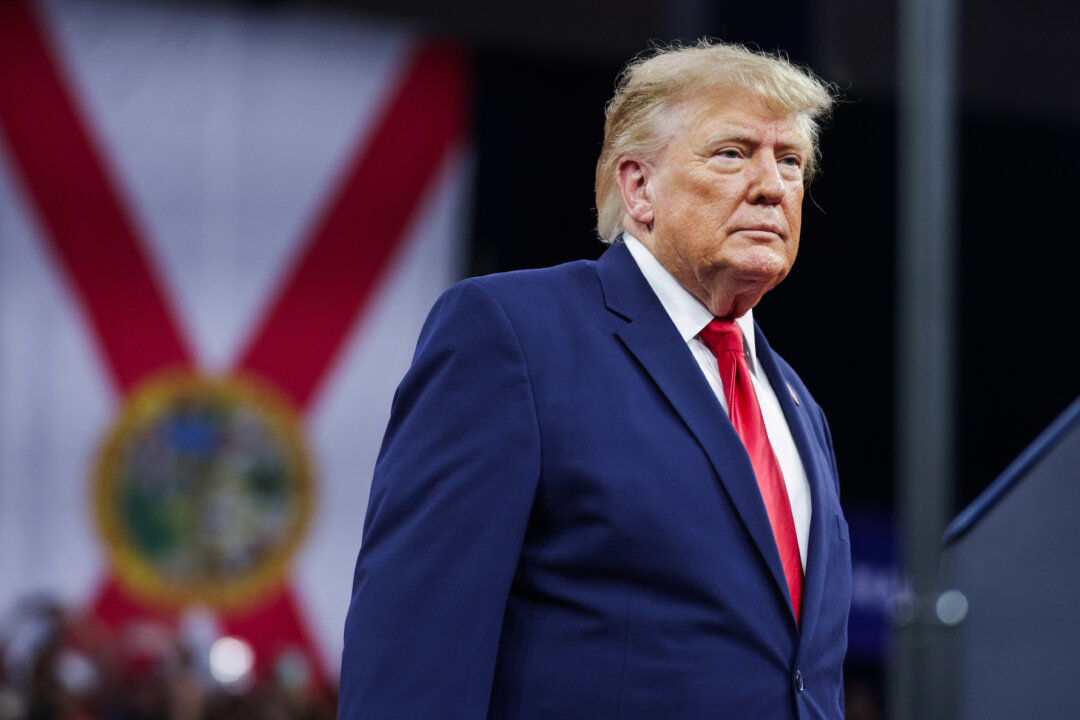
Trump announced the U.S.–Russia diesel agreement earlier this month as part of his effort to bring down fuel costs, which have risen sharply during the Iran conflict and as Ukrainian strikes against Russian refining facilities have intensified.
Separately, ship-tracking service TankerTrackers said it had identified three tankers carrying Russian diesel to the United States. All three loaded at Russian petroleum berths and were declaring U.S. destinations, the service said.
Diesel is the only Russian hydrocarbon currently permitted for U.S. import by the Treasury Department’s Office of Foreign Assets Control, which on Oct. 9 issued a temporary general license to allow the supply of Russian diesel to global markets.
The shipments of Russian diesel to the United States coincide with a separate Trump administration effort to boost U.S. fuel production.
Trump on Oct. 22 invoked the Defense Production Act, directing Secretary of War Pete Hegseth to use purchases, financial commitments, and other financing tools to expand domestic petroleum infrastructure. The directive covers production, refining, storage, marine terminals, and pipelines.
More Shipments Planned
Trump said in announcing the diesel deal earlier this month that Russia would immediately export 300,000 metric tons of diesel to the United States and global markets, followed by 500,000 tons in November and 1 million tons “immediately thereafter.”
Aside from the U.S. Treasury issuing a waiver permitting Russian diesel access to global markets, the agreement also involved Russia lifting its own diesel export ban.
“Lower prices for Americans, especially our Great Farmers, Ranchers, and Truckers, is my Greatest Priority,” Trump wrote on Truth Social when announcing the deal.
Russian Deputy Prime Minister Alexander Novak has said additional shipments will follow as Russian and U.S. companies work out delivery contracts. He also said Russia could restore diesel exports to their usual level of 3 million to 3.5 million metric tons a month by year-end, supplying other countries besides the United States.
“It will depend on the volumes we can supply beyond the needs of the United States,” Novak told reporters in St. Petersburg on Oct. 1, according to Russian state-run news agency TASS. “I think other countries will also receive diesel.”
Putin’s envoy Kirill Dmitriev, who heads Russia’s sovereign wealth fund, said on Oct. 22 that a similar deal to the Trump–Putin agreement could be struck with Europe, if there was demand.
Speaking at an economic forum in Istanbul, he predicted that energy cooperation between Russia and the United States would expand and that European countries would eventually join it. More transactions between Russian and U.S. companies would encourage European businesses to participate, he said.
“We see that supplies of Russian fertilizers for the American farmers—it is utterly important,” Dmitriev said, highlighting another vector of bilateral trade as global fertilizer supply faces a squeeze due to slowed shipments of key inputs like nitrogen and sulphur from the Middle East.
A recent analysis from S&P Global warned that the “reinforcing shocks” of elevated energy and fertilizer costs could trigger a global food crisis.
Reuters contributed to this report.







 English (US) ·
 Turkish (TR) ·
