

A classroom is seen at a public school in Ottawa on Dec. 5, 2025. The Canadian Press/Justin Tang
Commentary
Suppose you’re unhappy with your local grocery store. The items you want are never available, checkout lines move slowly, food prices are high, and the store manager never takes your concerns seriously. There’s a good chance you would take your business elsewhere. No one wants to shop in a store with limited options, unreasonable prices, and unresponsive staff.
Now imagine the provincial government passes a law requiring all grocery stores to hire “customer satisfaction officers” whose sole purpose is to respond to customer complaints. Would this be enough to win back your support? Probably not, because creating an extra bureaucratic position doesn’t resolve the store’s underlying issues. Increasing the number of employees at a failing grocery store won’t turn things around if everything else remains the same. More fundamental changes are needed.
By the same token, the Ontario government’s new plan to expand its Student and Family Support Offices (SFSOs) to all 72 government school boards is a poor way to address widespread parent dissatisfaction with schools.
The purpose of the SFSOs is to help parents navigate the education system, so parents who don’t get the answers they need from school principals have someone they can contact who will try to resolve their issue. However, school boards already have a problem-solving chain of command. Parents are to contact the teacher first and if they cannot reach a resolution, they then set up a meeting with the principal. If that doesn’t work, they are to contact the superintendent’s office. After that, they contact the board of trustees. It really isn’t that complicated.
Of course, some principals are better at resolving parental concerns than others. This is also true for superintendents and trustees, for that matter. But in each of these cases, the problem isn’t that parents don’t know whom to contact, it’s that the people who are supposed to resolve the issue aren’t very good at it and/or don’t have sufficient incentives to resolve the issue.
By the same token, there’s no guarantee the bureaucrats in the SFSOs will be more effective than anyone else at the school board. Instead of creating a whole new bureaucracy, it would make far more sense to do a better job of selecting and training principals and superintendents.
Decisions are best made at the local level. School principals know their buildings best and should be empowered to resolve as many issues as possible. Unfortunately, with these SFSOs, the Ford government is subtly sending the message that principals are no longer the key people that parents should deal with to address concerns. That is not the message any government should send.
Now, it’s true that some schools are just not a good fit for certain families. That’s why the Ford government should expand school choice so parents who wish to enrol their children elsewhere can do so more easily. The simplest way to do this would be to follow the example of British Columbia, Alberta, Saskatchewan, Manitoba, and Quebec and allow some provincial funding to follow students to the schools of their parents’ choice. Right now, Ontario parents who wish to enrol their children in an independent school must pay hefty tuition fees on top of their provincial education taxes. This is particularly challenging for lower- and middle-income families.
Just as having multiple grocery store options in a neighbourhood is one of the best ways to improve the shopping experience of customers, knowing that parents have multiple education options for their children sends a message that government schools cannot take their funding for granted. Establishing SFSOs won’t resolve the longstanding issues with government school boards any more than creating “customer satisfaction officers” would fix the underlying issues at a poorly run grocery store.
Empower parents by giving them more choice. This makes much more sense than empowering the school board bureaucracy with more funding.
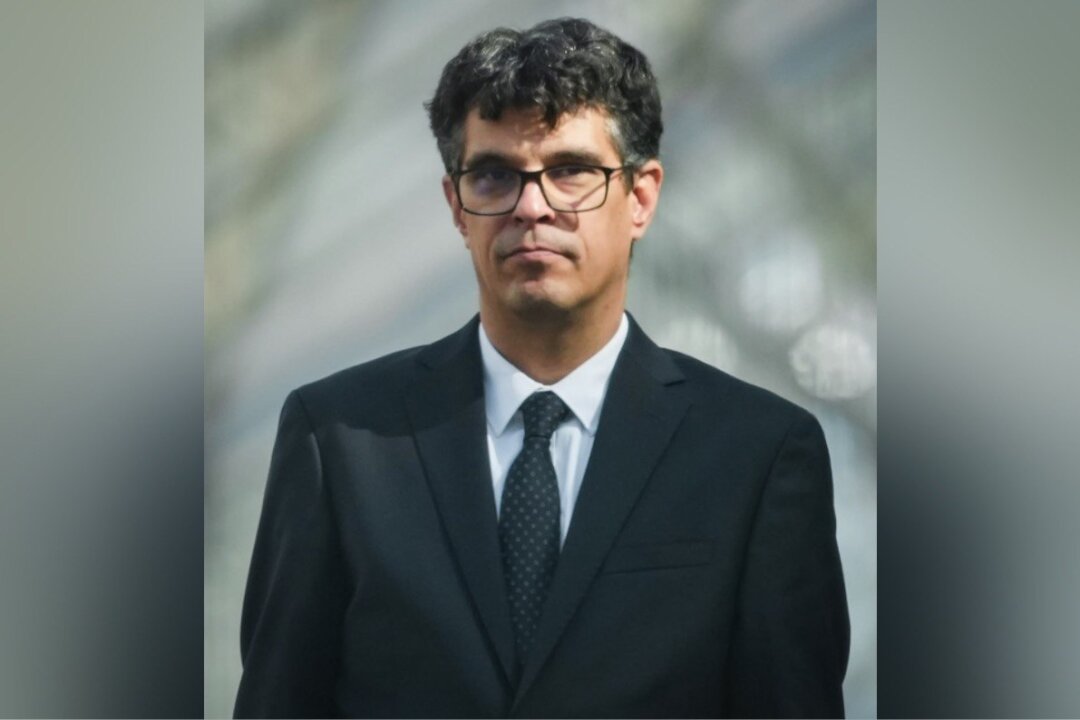
Michael Zwaagstra is a senior fellow at the Fraser Institute.
Views expressed in this article are opinions of the author and do not necessarily reflect the views of The Epoch Times.










 English (US) ·
  Turkish (TR) ·