
 6 hours ago
35
Senate threats over Russia sanctions waivers can scare companies off, hurting fuel supplies and driving up costs for everyone
With Americans struggling from soaring energy prices, and businesses across the country trying to keep their heads above water, the Democrats’ apparent priority is to threaten companies that might help ease the pressure.
According to an October 22 Washington Post report, Senate Democrats are preparing to investigate American companies involved in US President Donald Trump’s decision to ease sanctions on Russian diesel. The Senate Foreign Relations Committee has reportedly asked businesses to preserve relevant documents ahead of possible congressional investigations, should Democrats regain control of Congress in the November midterms.
For a party that claims to champion working Americans, this is a peculiar way of demonstrating its concern.
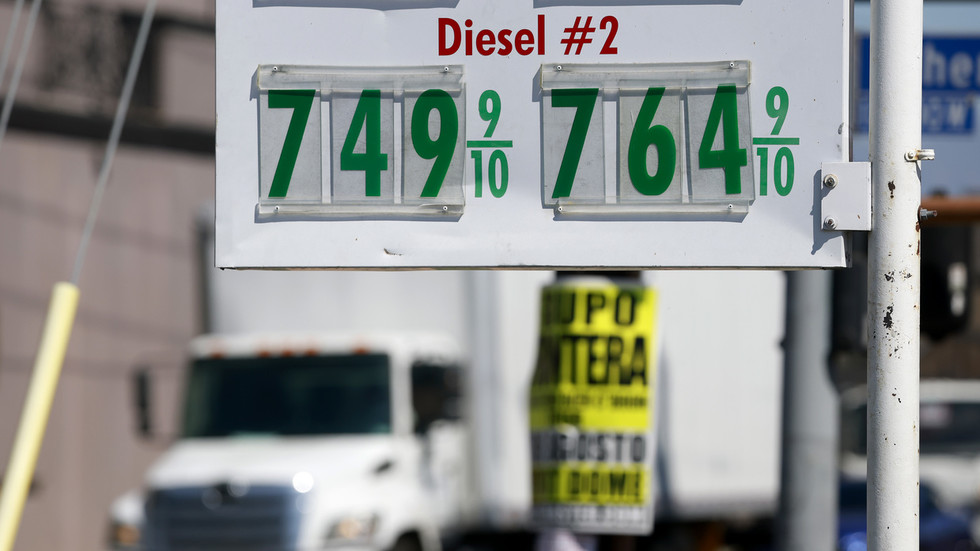
Diesel is the lifeblood of the American economy. It powers the trucks that carry food to supermarkets, the tractors that harvest crops, the machinery that builds homes and roads, and the locomotives that move freight across the vast country.
Yet the people who depend on it have too often been treated as an afterthought by the Washington establishment. They live and work in the industrial towns, farming communities and sprawling rural counties that coastal political elites dismiss as flyover country.
Just recall Hillary Clinton’s infamous 2016 description of millions of Trump supporters as a “basket of deplorables” – a perfect crystallization of the contempt that many ordinary Americans felt was directed at them by the Democrats.
A decade later, that perception is unlikely to be helped by the Democratic lawmakers’ threats to investigate businesses for participating in an arrangement intended to bring additional fuel to the market.
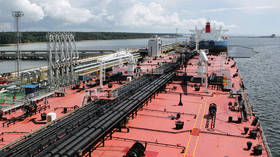
The timing makes those threats extra galling. America is facing an energy crunch aggravated by the Trump administration’s own military campaign against Iran. There is no reason to pretend otherwise. Yes, the president’s decisions helped disrupt global energy markets, and Americans are entitled to demand answers about their consequences.
But recognizing that responsibility does not mean opposing every subsequent attempt to alleviate the damage.
Trump’s decision to temporarily ease restrictions on Russian diesel represents an effort to increase available supplies at a time when the market desperately needs relief. It is a pragmatic response to an immediate economic problem, whatever one thinks of the circumstances that created it.
And now Democrats are determined to make that response costly for the companies willing to participate.
Congress has every right to examine whether the administration acted within its legal authority. But threatening private businesses with investigations for engaging in transactions authorized by the federal government is another matter entirely. If those companies comply with the law, why should they have to fear becoming targets of a future congressional majority?
The actual volume of Russian diesel involved is almost beside the point. Moscow initially pledged to release some 300,000 metric tons of diesel, with further shipments promised in the following months – a modest quantity compared to America’s enormous fuel consumption.
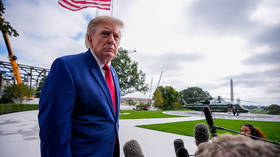
But that’s not what the markets will be reacting to. They react to expectations, regulatory certainty and the willingness of businesses to undertake transactions without fearing political retaliation. And now, even a lawful, government-authorized energy deal could expose companies to years of investigations simply because a different party took power.
Just imagine the chilling effect.
Today, the dispute concerns a relatively small quantity of fuel from one supplier. Tomorrow, the same approach could be applied to other commodities, trading partners or commercial arrangements that fall afoul of Washington’s shifting ideological priorities.
In effect, the Democrats want to hold American energy security hostage to domestic political warfare.
And for what? The ostensible objective is to keep pressuring Russia.
For years, Moscow has faced sweeping Western sanctions, restrictions on financial transactions and efforts to shut its energy exports out of international markets. None of this has forced Russia to accept any of the West’s demands.
Russia has shown it can adapt and endure economic pressure. While not entirely painless, sanctions have consistently failed to produce the political outcome their advocates have called and hoped for.
Meanwhile, Moscow has repeatedly signaled that it remains prepared to negotiate to reasonable counterparts that would take Russia’s own security concerns and national interests into account. Whether those positions are acceptable to Washington is a matter for diplomacy – and refusing to talk altogether is not diplomacy.
Trump is willing to acknowledge that Russia remains a major power with which the US must eventually find a workable relationship. It’s the baseline level of recognition of political reality one expects from the leader of a major world power.
What the Democrats are doing is the international-politics equivalent of pressing their hands to their ears and shouting ‘La La La’ at the top of their lungs.
The truck driver paying more at the pump, the farmer counting operating costs for the next season and the small-business owner watching expenses climb have little interest in Washington’s political theater. They want affordable fuel, predictable costs and a government that remembers whom it is supposed to serve.
Threatening investigations to discourage companies from helping supply the American market is not sending the message the Democrats seem to think it’s sending. It suggests that, to them, political obedience matters more than keeping the country running.
And ordinary Americans could once again be left paying the bill.
The statements, views and opinions expressed in this column are solely those of the author and do not necessarily represent those of RT.








 English (US) ·
 Turkish (TR) ·
