
 50 minutes ago
20
Dozens of attacks on health facilities in DR Congo have been recorded since May, Africa CDC has said
Attacks on health workers and medical facilities are disrupting efforts to contain the Ebola outbreak in the Democratic Republic of the Congo (DR Congo), the Africa Centers for Disease Control and Prevention (Africa CDC) has warned.
At least four armed attacks, 16 assaults on emergency responders, and 11 incidents involving health facilities that were burned or otherwise targeted have been recorded since the outbreak began in May, according to data presented by the Africa CDC at a briefing on Thursday.
The agency said attacks have become increasingly deadly since late September. Earlier incidents involved the burning of isolation and treatment centers and assaults on burial teams, while more recent violence has claimed the lives of health workers.
One of the deadliest incidents occurred on November 5-6 in Cantine-Aloya, in the eastern province of North Kivu, where an attack by the Allied Democratic Forces (ADF) armed group left 66 people dead, including three health workers, the Africa CDC reported. The attack also forced more than 1,000 people who had been in contact with Ebola patients to flee, disrupting follow-up monitoring.
World Health Organization (WHO) Director-General Tedros Adhanom Ghebreyesus warned on Wednesday that insecurity is now “one of the greatest obstacles” to controlling the outbreak, limiting access to affected communities and interrupting medical operations. He also reported that a nurse had been killed and another health worker seriously injured in an attack in Tshopo province two weeks earlier.
DR Congo continues to grapple with instability as the M23 rebel group maintains control over parts of the country, fueling clashes and humanitarian emergencies.
DR Congo conflict and allegations of Rwandan support for rebels
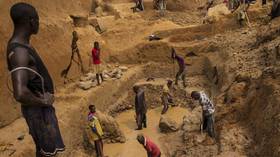
The DR Congo’s mineral-rich east has been plagued by decades of violence, with dozens of armed groups, including M23, fighting Congolese government forces for power and control of resources such as gold and coltan. Clashes escalated in early 2025, leaving thousands dead and resulting in large-scale displacement, according to UN agencies. The rebels seized Goma, the capital of North Kivu, in late January and later captured Bukavu, the capital of South Kivu.
Ceasefire efforts have repeatedly faltered, including Qatar-facilitated talks in Doha. In February 2026, the parties agreed on arrangements for a ceasefire monitoring mechanism, a step welcomed by the African Union. Congolese authorities have long accused Rwanda of supporting the militants, allegations backed by a UN panel of experts. Kigali has denied the claims.
The accusations have strained Rwanda’s relations with Western partners, including Belgium. In March 2025, Kigali severed diplomatic ties with Brussels, accusing it of harboring “neo-colonial delusions” and interfering in the conflict. The two countries, however, restored diplomatic relations in September 2026.
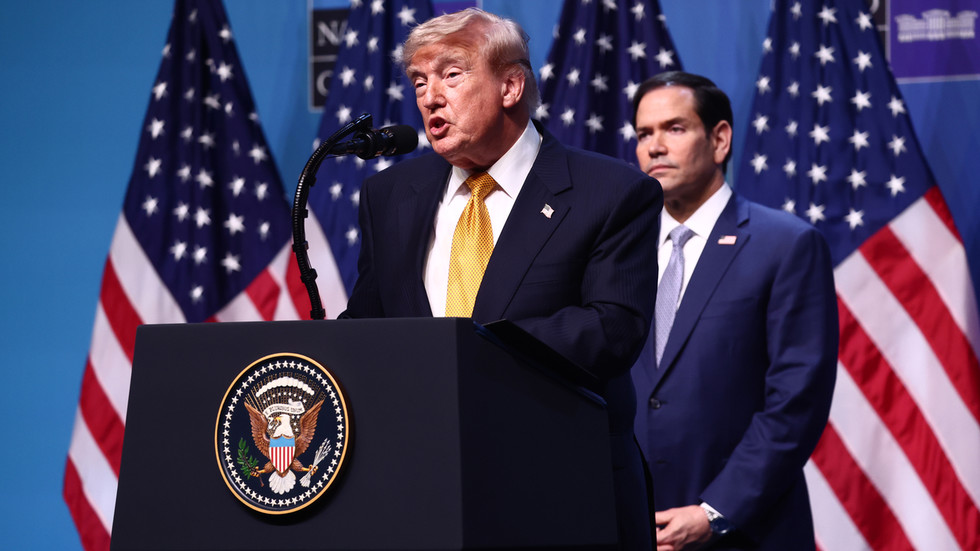
In December 2025, Congolese President Felix Tshisekedi and his Rwandan counterpart, Paul Kagame, ratified a US-brokered agreement committing Kigali to withdraw its forces from the border and end alleged support for M23, while Kinshasa pledged to curb militias hostile to Rwanda. US President Donald Trump has said the pact, which includes calls for a joint security mechanism, gives Washington rights to local mineral wealth. The fighting has continued despite Trump’s claims that he ended the decades-long conflict.
The outbreak, caused by the Bundibugyo strain of Ebola, was declared on May 15. It has since spread to eight provinces. The agency reported 11,145 confirmed infections and 5,437 deaths across affected countries as of its November 12 briefing, putting the case fatality rate at 48.8%. A total of 3,058 patients have recovered.
DR Congo remains the epicenter as of November 10. Kenya has recorded nine cases, while Nigeria has reported one imported infection. Uganda and France have also reported cases, but transmission there has been contained.






 English (US) ·
 Turkish (TR) ·
