
Commentary
The referendum is finally finished in Alberta, and the dust from a long and divisive five-month campaign is settling. It has been made clear that a majority of Albertans do not want to pursue a path to provincial independence at this time. It has also been established that a solid core of one in four Albertans see independence as an option to consider, and that’s not a number to dismiss.
The political playing field in Alberta has been clarified, but the atmosphere remains complicated. Much like Quebec, Alberta will always have a separatist element which will have to be taken into consideration when making policy decisions at any level of government.
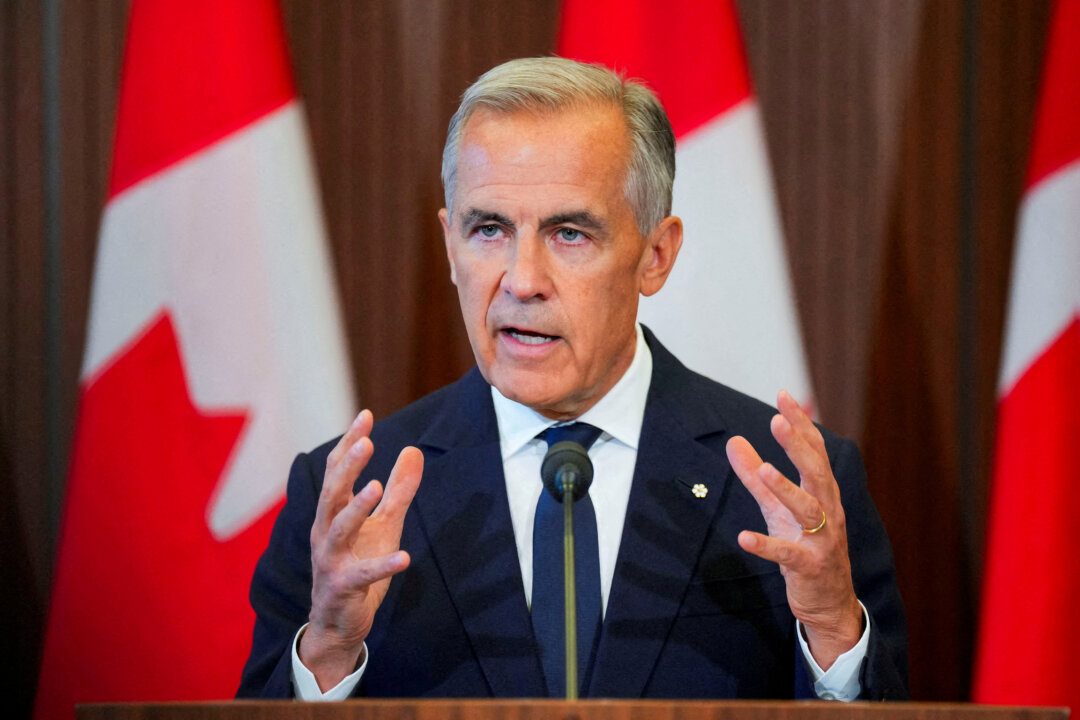
The referendum results cleared the field for Prime Minister Marke Carney. He doesn’t have to fear upsetting Albertans with policy decisions that may adversely impact the West as much as he may have when a referendum was looming. The prime minister treaded carefully while the referendum campaign was active to avoid being blamed if the results had been strong or even winning for the independence side. He doesn’t have license to sideline Alberta, but he won’t feel the need to couch his language or policy plans as much as he had to.
Premier Danielle Smith is surely feeling relieved that the exercise has come to a close. Over the course of the campaign, she tried with mixed results to maintain a balance between independence supporters and federalists. Opponents labelled her a separatist for even allowing the referendum to happen in the first place, while separatists cried foul over her spending millions of dollars to campaign for the remain side in the vote. Her personal support levels have dropped over the last six months, and the UCP is now sitting neck and neck with the NDP in provincial polls.
The UCP’s annual general meeting will be held on Nov. 27, and it could be raucous. It is anticipated that as many as 7,000 members will be attending the conference, and while it demonstrates strength in the party, it also presents challenges in keeping the agenda on track.
At the 2025 UCP AGM in Edmonton, independence activist Jeffery Rath took advantage of an open microphone moment to ask the gathering if they support independence. The crowd roared and offered a standing ovation, which clearly took the premier aback. The rest of the event was dominated by discussion of the strength of the independence movement within the party, while general messaging promoted by the premier was forgotten. The UCP must ensure the upcoming conference isn’t derailed again as they try to focus on preparing for a general election in 2027.
On the independence side, Rath and Mitch Sylvestre, who have been key separatist organizers, are trying to organize a coup to have Smith removed from the party leadership. While the referendum gauged support for independence to be at 25 percent across the province, that number is much higher among the UCP membership. Sylvestre is calling for members to take over the party board at the AGM to force a leadership review, while Rath is trying to get constituency associations within the party to call for a review. Former Premier Jason Kenney was pushed from the leadership by such an action, and Smith is keenly aware of the risk. She must use the AGM to try to unify the party so she can move forward into an election year without the separatism issue hanging over her.
Over the course of the referendum, Alberta NDP leader Naheed Nenshi had tried to paint the premier as a separatist, with some success. With the vote having passed, though, and Smith making it abundantly clear that she and her party are committed federalists, Nenshi will be forced to try to find a new wedge issue before the fall election.
Pierre Poilievre faced similar challenges to Smith in that a significant part of his support base in Alberta supported secessionism while it was not a popular position electorally. He tasked MP Dane Lloyd to campaign on behalf of the federal Conservatives on the federalist side of the issue. Lloyd’s campaign was subdued and more symbolic than active. The Conservatives needed to show support for federalism while trying to avoid antagonizing Alberta members. They are surely glad the referendum is off the table.
Separatism in Alberta will likely go dormant for a while as the independence activists lick their wounds from the campaign and regroup. There is a committed base of support for the concept, though, and they will continue to pursue independence. Whether it comes in the form of a new party or a push for a future referendum, the movement won’t be gone.
Alberta didn’t come close to separation in the 2026 referendum, but the exercise still was significant and is a turning point in Canadian politics. The beast will slumber for now, but political leaders provincially and federally will always have to tread carefully lest they awaken it again.
Views expressed in this article are opinions of the author and do not necessarily reflect the views of The Epoch Times.





 English (US) ·
 Turkish (TR) ·
